Not sure which UV printer to buy? Start with what you want to print.
Acrylic signs, awards, drinkware, cornhole boards, roll media and packaging samples do not need the same machine. Use this page to narrow the choice, then send us your job list for a recommendation.
Printer type comparison inside our catalog.
Start with the product category. Bed size, head count and automation matter only after you know what you want to sell.
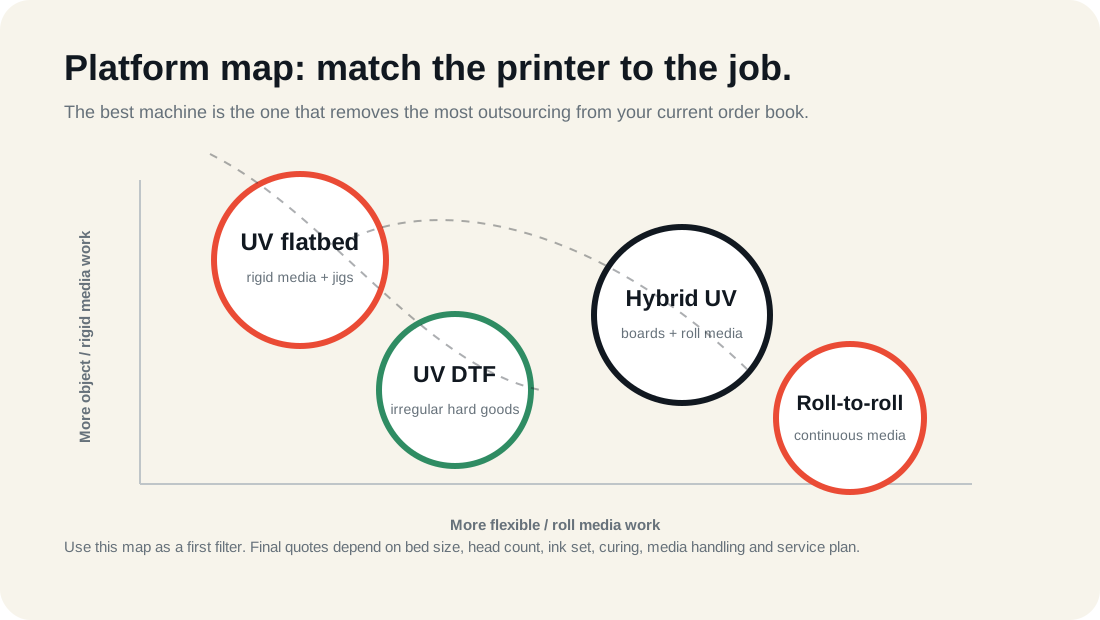
| Printer type | Best work | Why it wins | Watch-outs | Good first buyer |
|---|---|---|---|---|
| UV flatbed | Acrylic, wood, glass, metal, signs, awards, panels | Direct-to-substrate printing, white ink, varnish, jigs for repeat products | Bed size limits roll media; heavy boards need handling space | Sign shops, trophy shops, personalization shops |
| UV DTF | Drinkware wraps, irregular hard goods, labels, small gifts | Transfers work on objects that are hard to hold on a flatbed | Film and adhesive cost must be included; not every surface behaves the same | Promo shops, Etsy sellers, small-batch merchandise sellers |
| Hybrid UV | Boards plus roll media, banners, wall graphics, rigid signage | One printer handles both boards and rolls | Needs more floor space and a more careful setup | Growing sign shops that dislike owning separate machines |
| Roll-to-roll | Posters, backlit film, vinyl, wallpaper, decals, banners | Fast printing for long roll jobs | Not for thick rigid products without transfer or finishing steps | Wide-format shops with steady roll work |
Factory-direct UV vs. premium-brand UV.
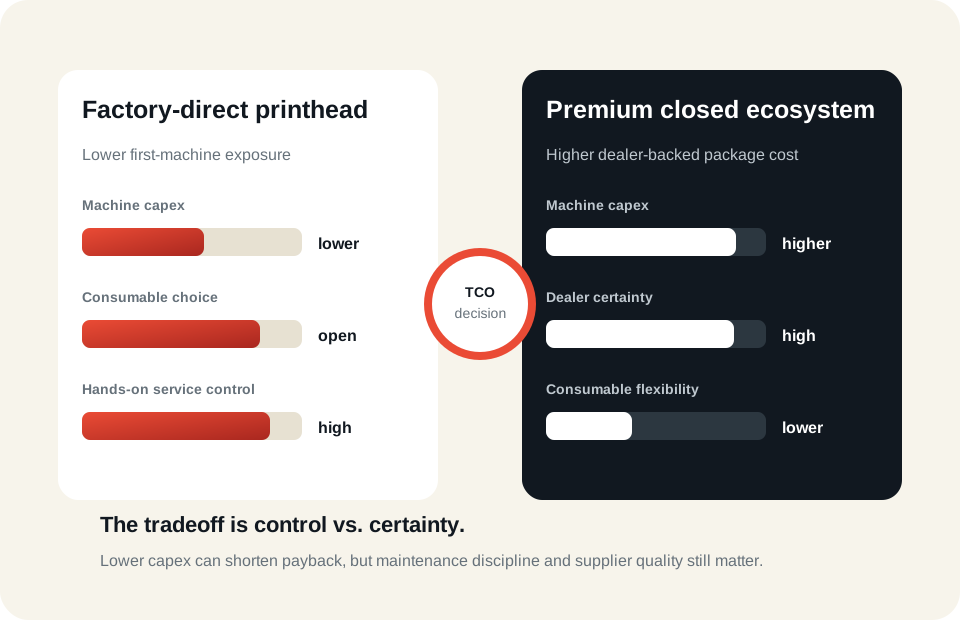
Mimaki and other premium brands are excellent when the budget and dealer relationship make sense. PrinterBest.com is for buyers who want a reliable UV printer at a lower starting price, with help choosing the right size.
Premium UV systems can be more than a small shop wants to spend. Factory-direct machines using common Epson industrial printheads often start much lower.
Ink, film, dampers, caps and routine parts are easier to compare when the printer is not locked into one premium channel.
Premium dealers may be the easiest route for some buyers. We fit buyers who want a lower entry cost and are comfortable learning basic care.
Where the money changes.
The first year usually comes down to machine price, ink and film cost, waste, spare parts and whether the printer is the right size for your jobs.
Decision guide.
Use this as the first filter. If you are still unsure, send us the job list.
If most jobs are rigid and flat
Start with UV flatbed. It gives the broadest mix of signs, awards, plaques, acrylic, wood, packaging prototypes and personalization work.
If products are curved or awkward
Start with UV DTF or cylinder UV. You avoid slow custom fixtures and can sell wraps, tumblers, bottles, golf balls and small hard goods.
If you already sell signs and rolls
Compare a hybrid UV printer with a separate roll printer plus flatbed. Floor space and daily job mix will decide the winner.
If you want a premium dealer
Mimaki may be the right answer. If you want a lower starting price, ask us to compare practical I3200 and I1600 options first.